.svg)
Managing your childcare program's finances is key to running a successful business. To maximize profit, you must balance revenue-boosting activities with cost cutting tips that eliminate unnecessary spending while maintaining high-quality care.
This article will outline effective cost cutting tips and ways to boost your profits for long-term financial success.

Understand your childcare program's finances
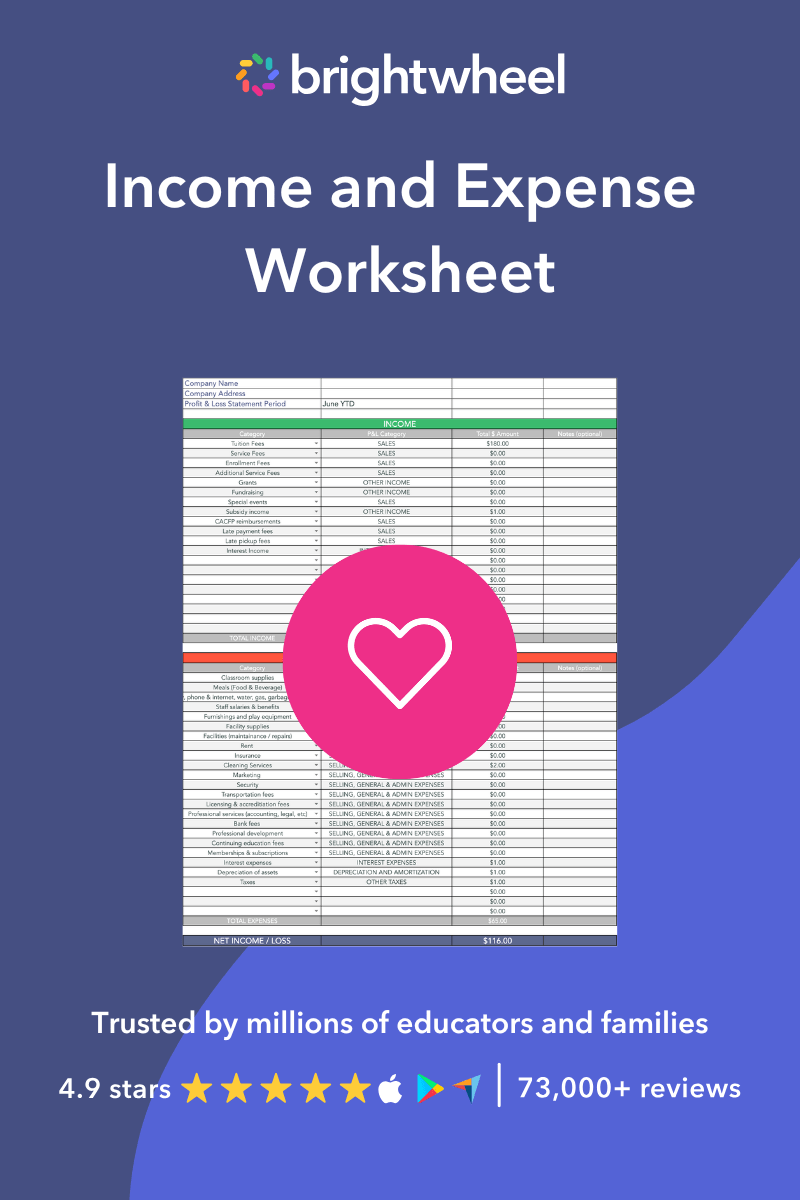
Before you can maximize profits and cut costs, it's important to understand how your childcare program makes and spends money. Creating a budget for your program will help you assess your business' finances to find ways to adjust your spending habits and income goals to increase your profits, decrease your expenses, and improve your business's financial health without diminishing the quality of the care you provide.
A childcare management software like brightwheel billing allows you to automate your billing and invoicing process, saving you time and making payments easier for families. Brightwheel also integrates with QuickBooks directly, so you can monitor your program's cash flow and view a dynamic record of its finances from a single dashboard.
Monitor your program's key financial metrics
Tracking financial metrics helps you find opportunities to curb unnecessary spending and increase profits. You can use brightwheel's billing dashboard to track balances, payments, and cash flow in one place and get a complete view of your program's finances.
Key metrics to consider:-
- Revenue growth: Your program's total income. Understanding monthly fluctuations helps you identify areas for improvement. If revenue decreases over several months, consider adding new income streams.
- Expenses: Staff salaries, rent, utilities, and supplies. Tracking expenses helps you find and cut unnecessary costs without diminishing the quality of care.
- Tuition rates and fees: A major component of your revenue. Consider annually raising tuition and fees for things like registration and late pickups to protect your program from rising costs and inflation.
Avoid common financial pitfalls
Protect your childcare business from unplanned debts by avoiding these common financial pitfalls:
- Underestimating startup costs: Research the costs of starting a childcare program in your state to avoid early debt. These often include rent, insurance, supplies, and licensing fees.
- Inefficient budgeting: A well-planned budget helps you anticipate costs and set aside money for emergencies. Without it, you may need to cut services, which can negatively impact the families you serve.
- Neglecting marketing: Marketing is an essential strategy for enrolling new families. Research the needs of families in your community to develop messaging that shows how your program meets those needs.

Top 5 Childcare Tuition Billing Mistakes
A free checklist of common childcare billing mistakes with tips to save time and get paid faster.
10 effective cost cutting tips for your childcare program
Implementing cost cutting tips will help you save money that you can reinvest to improve and expand your services.1. Streamline operations
Improve efficiency to save time and money. Use a communication app to message families in real-time and share updates on their child’s daily progress instead of sending paper letters home.
In addition to streamlining communication, a childcare management software like brightwheel can simplify your billing, admissions, and check-in processes by generating reports in one click, automating administrative tasks, and saving each staff member 20+ hours a month.
2. Implement cost-effective scheduling
Use scheduling software to optimize staff allocation based on class sizes. This ensures you have appropriate coverage while avoiding overstaffing.
Additionally, considering flexible schedules and part-time staff options can be cost-effective, especially during periods of lower enrollment. Cross-training staff members in multiple roles can also enhance flexibility and reduce the need for additional staffing.
When it comes to student scheduling, grouping children based on age and developmental needs can facilitate efficient use of resources and staff time. Moreover, implementing structured routines and activities can help streamline transitions and maximize learning opportunities for children.
3. Reduce waste
Monitor supplies like food to avoid overstocking and expiration. Implement eco-friendly practices like recycling and reducing paper use.
Another way to cut unnecessary costs is by optimizing energy consumption through energy-efficient appliances, smart thermostats, and lighting systems. Embracing digital solutions like brightwheel for administrative tasks, such as online admissions and payment systems, can significantly reduce paperwork and streamline processes, saving time and money.
4. Make smart purchasing decisions
Use an inventory management system to track supplies and avoid over-purchasing. Consider buying low-cost furniture from thrift stores.
For lesson plan and activity inspiration, consider searching online for free printable activity worksheets you can use. Or purchase a complete curriculum system like brightwheel's Experience Curriculum that combines digital lessons in the brightwheel app with hands-on learning materials shipped to you monthly. Your teachers can spend less time planning and prepping activities and more time with the children in your program.
5. Buy supplies in bulk
Purchase items like nonperishable food, craft supplies, and cleaning products in bulk from wholesale suppliers to save money.
6. Negotiate with suppliers
Build positive relationships with your suppliers and research market prices to negotiate better deals on supplies and equipment.
In addition, buying from multiple suppliers gives you more options for the best deals. Look for deals when business slows down, like during the summer, as suppliers may have more inventory to sell at lower prices.
7. Choose cost-effective equipment
Invest in high-quality, durable equipment and supplies. While the initial cost may be higher, it will save you money on repairs and replacements long-term.
8. Automate administrative tasks
Use a childcare management software like brightwheel to automate attendance, billing, admissions, and lesson planning. This reduces expenses and saves valuable time.
9. Offer professional development on a budget
Organize in-house training sessions or professional development days led by experienced staff. Encourage participation in free online courses and webinars.
10. Create volunteer and internship programs
Partner with local colleges to offer internships for early childhood education students. This provides them with hands-on experience and gives your program extra help.
Recruit volunteers by reaching out to community organizations or asking your children's parents and family members to help out at your program.
Enhance your revenue streams
Adding new income sources can boost your profits and help you market your program to new audiences.
- Diversify income: Rent out your facility on weekends for events or birthday parties to generate supplementary income.
- Add new programs: Offer summer programs or enrichment activities like sports and art to school-aged children in your community.
- Explore government grants and subsidies: Apply for financial assistance programs or grants. For example, the USDA's Child and Adult Care Food Program (CACFP) provides reimbursements for nutritious meals.
Choose the right pricing strategy
Your pricing strategy influences how families pay for your services. The best option depends on your program type and the services you offer.
Types of pricing strategies include:
-
- Market rate pricing: Base your prices on what local competitors charge.
- Penetration pricing: Set lower rates initially to attract families, then increase them over time.
- Versioning pricing: Use a tiered system based on a child's age.
- Value-based pricing: Charge higher rates for specialized offerings, like an advanced curriculum or organic meals.
- Cost-plus pricing: Calculate your cost per child and add a fixed percentage to determine the price.