.svg)
Every childcare provider wants to deliver exceptional care that supports children's development while building trust with families. But what exactly defines high-quality child care, and how can you ensure your program meets these standards?
High-quality child care goes beyond basic supervision. It creates a safe, nurturing environment where children develop socially, emotionally, and academically through age-appropriate activities and meaningful relationships. For childcare providers, delivering high-quality care not only benefits the children in your program but also strengthens your reputation, increases family satisfaction, and supports your business success.
Understanding the key characteristics of high-quality child care helps you evaluate your current practices and identify areas for improvement. This article breaks down the essential components that define excellence in early childhood education and provides practical tools to assess and enhance your program.
Why high-quality child care matters
High-quality child care plays a crucial role in the healthy development of young children and the overall success of childcare programs. It fosters essential early learning experiences that shape a child's social, emotional, and cognitive development, laying the foundation for lifelong growth and success.
When families feel confident in the care their children receive, it builds trust and strengthens relationships within the community, enhancing your program’s credibility and reach.
Additionally, providing exceptional care not only supports children's well-being but also boosts staff morale, improves parent satisfaction, and helps attract and retain families, ultimately contributing to the long-term sustainability and efficiency of your childcare business.
By focusing on quality, you create a nurturing environment where children thrive, and your program stands out as a reliable, trusted choice in your community.
Key elements of high-quality child care
- Safe and stimulating environment
- Qualified and engaged staff
- Low child-to-teacher ratios
- Developmentally appropriate curriculum
- Strong family engagement
Characteristics of high-quality child care
High-quality childcare programs share several fundamental characteristics that work together to create an environment where children thrive. These elements form the foundation of excellence in early childhood education.

Safety and health standards
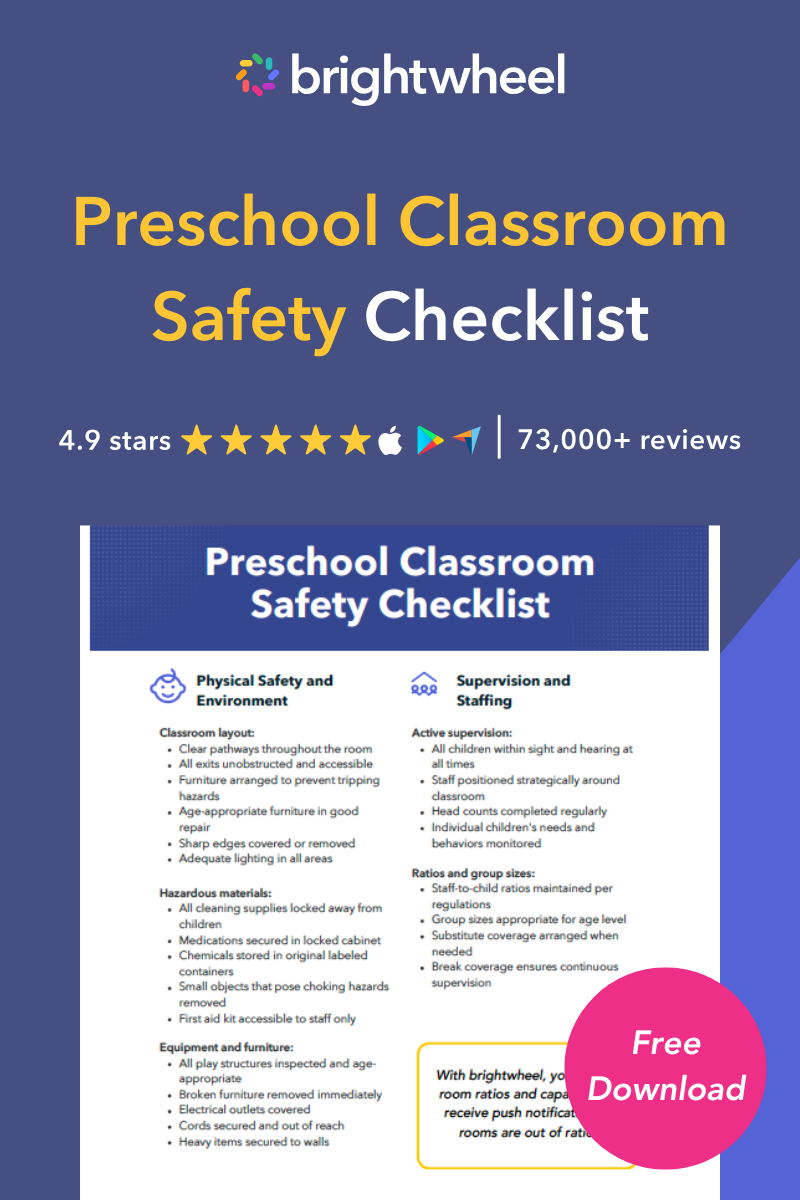
Physical safety serves as the cornerstone of any quality childcare program. Children need secure environments where they can explore and learn without unnecessary risks. This means maintaining clean facilities, following proper hygiene protocols, and implementing safety measures that protect children throughout their day.
Health practices extend beyond basic cleanliness. Quality programs establish clear policies for illness prevention, medication administration, and emergency procedures. Staff members receive training in first aid and CPR, ensuring they can respond appropriately to medical situations. Regular health screenings and maintaining up-to-date immunization records help protect the entire childcare community.
Qualified and well-trained childcare staff
The quality of childcare depends heavily on the knowledge and skills of the people providing care. High-quality programs employ staff members with relevant education and experience in early childhood development. Many quality programs require or prefer staff with degrees or credentials in early childhood education.
Ongoing professional development keeps staff current with best practices in child development and early learning. Quality programs invest in regular training opportunities, supporting staff growth and ensuring children receive care based on the latest research and methodologies. Low staff turnover indicates a supportive work environment that attracts and retains qualified caregivers.
Low child-to-teacher ratios
Adult-to-child ratio requirements typically vary by state and program type. However, in general, it is recommended that the younger the children are, the more trained adults should be present.
In addition, smaller group sizes usually allow for more individualized care and attention for each child and are easier for teachers to manage. General recommendations state that one trained adult should not care for more than 3-6 young toddlers or 6-10 preschoolers.
Nurturing and responsive relationships
Strong relationships between educators and children create the emotional foundation for learning and development. Quality childcare providers understand that responsive, warm interactions help children feel secure and valued. This emotional safety allows children to take risks in their learning and develop confidence in their abilities.
Effective caregivers observe children closely, responding to their individual needs and interests. They use positive guidance techniques rather than punishment, helping children learn appropriate behaviors through modeling and gentle direction. These nurturing relationships support children's social-emotional development and create positive associations with learning environments.
Age-appropriate curriculum and activities
High-quality childcare programs implement developmentally appropriate practices that match children's abilities and interests. The curriculum balances structured learning opportunities with free play, recognizing that young children learn best through hands-on exploration and discovery.
Quality programs offer diverse activities that support all areas of development: cognitive, physical, social, and emotional. Art projects, music and movement, outdoor play, and literacy activities provide varied learning experiences. The schedule remains flexible enough to follow children's interests while maintaining predictable routines that help children feel secure.
Family engagement and communication
Meaningful family engagement at your childcare program can enhance children's experiences and support continuity between home and program settings. Quality programs welcome family involvement and maintain open, regular communication about children's daily experiences and development.
Effective communication includes daily reports about activities, meals, and milestones, as well as regular conferences to discuss children's progress. Quality programs respect diverse family backgrounds and incorporate family cultures and languages into the program when possible. They also provide resources and support to help families extend learning at home.

Family Engagement Guide
A free guide to help you foster family engagement at your childcare program.
Nutritious foods
Children require adequate nutrition for optimal growth and development and childcare programs that offer nutritious foods support children’s healthy development. Educators help children build strong dietary habits early in life by providing them with balanced meals and snacks. A balanced diet for children has plenty of vegetables, fruits, lean proteins, whole grains, and low-fat dairy.
Optimized operations
High-quality childcare programs thrive when their operations are smooth and efficient. Childcare management software can streamline administrative tasks with features like automated billing, simplified enrollment processes, and organized scheduling, allowing providers to shift their focus from paperwork to what truly matters—caring for children.
By optimizing operations, programs can save significant time each month, reduce errors, and improve overall satisfaction for both families and staff. Childcare management software that integrates these features into one centralized platform not only enhances efficiency, but also creates more opportunities for meaningful interactions and personalized attention for every child.
How to measure child care quality: Rating systems explained
Several assessment tools can help you measure and improve the quality of your childcare program. These evaluation methods provide objective feedback and guide your improvement efforts.
Quality rating and improvement system (QRIS)
Many states operate quality rating and improvement systems (QRIS) that evaluate childcare programs using standardized criteria. QRIS assessments typically examine staff qualifications, learning environments, curriculum implementation, and family engagement practices. These systems assign ratings that help families choose quality programs and provide roadmaps for program improvement.
Participating in your state's QRIS offers several benefits. You receive detailed feedback about your program's strengths and areas for growth. Many systems provide professional development support and financial incentives for quality improvements. Higher ratings can also help you attract families seeking high-quality child care for their children.
Classroom assessment scoring system (CLASS)
The CLASS tool measures the quality of teacher-child interactions across three domains: emotional support, classroom organization, and instructional support. Trained observers use specific indicators to assess how well teachers create supportive relationships, manage classroom activities, and promote learning.
CLASS assessments provide detailed feedback about interaction quality and identify specific areas for improvement. Many programs use CLASS scores to guide professional development efforts and monitor progress over time. Research shows strong connections between higher CLASS scores and positive child outcomes.
Childcare accreditation
National accreditation through organizations like the National Association for the Education of Young Children (NAEYC) represents the highest standard for early childhood programs. Accreditation requires comprehensive self-assessment, external evaluation, and ongoing quality improvement efforts.
The accreditation process examines all aspects of program quality, from curriculum and assessment to teacher qualifications and family engagement. Achieving accreditation demonstrates your commitment to excellence and provides marketing advantages. Accredited programs often command higher tuition rates and experience greater family satisfaction.
Other organizations that offer accreditation include:
- Association for Early Learning Leaders National Accreditation Commission
- National Early Childhood Program Accreditation (NECPA)
- National Association for Family Child Care (NAFCC)
Early childhood environment rating scale (ECERS)
ECERS evaluates the quality of childcare environments through detailed observation of space, materials, activities, interactions, and program structure. The scale provides specific indicators for each quality area, making it easier to identify improvement opportunities.
Regular ECERS assessments help you maintain high environmental standards and track improvements over time. Many programs use ECERS results to prioritize facility improvements and staff training needs. The tool's detailed indicators provide concrete guidance for enhancing program quality.
How to ensure your program offers high-quality child care
Providing high-quality child care requires a combination of intentional planning, consistent evaluation, and thoughtful implementation of best practices. Below are key strategies to ensure your program meets high standards and supports both children and families effectively.
Focus on staff qualifications and training
- Hire qualified staff: Evaluate your childcare hiring to ensure teachers and caregivers meet or exceed state licensing requirements and have relevant early childhood education credentials.
- Support ongoing training: Offer regular access to professional development workshops, training sessions, and certifications to keep staff updated on the latest best practices.
- Create a professional development plan: Tailor training to your program's specific needs, focusing on areas like behavior management, curriculum development, or special needs education.
- Encourage collaboration: Provide opportunities for teachers to collaborate, share resources, and build a supportive work environment.
Develop a nurturing and safe environment
- Ensure safety standards: Regularly inspect facilities for safety compliance, update emergency procedures, and maintain a clean and secure environment for children.
- Create engaging spaces: Design classrooms and outdoor areas with age-appropriate, stimulating materials and activities that encourage exploration and learning.
- Promote emotional well-being: Foster a warm and inclusive environment where children feel secure and valued.
Build strong partnerships with families
- Enhance communication: Use tools like newsletters, parent-teacher conferences, and secure messaging apps to keep families informed and engaged.
- Seek parent input: Encourage feedback and collaboration through surveys, parent committees, and open-door policies.
- Share children’s progress: Provide regular updates on developmental milestones and achievements, celebrating each child’s growth.
Implement a comprehensive curriculum
- Use a research-based curriculum: Adopt a curriculum that aligns with early learning standards and supports all domains of development, from cognitive to social-emotional growth.
- Individualize learning plans: Adjust activities and goals to meet the unique needs of each child, ensuring inclusivity and engagement.
- Promote play-based learning: Incorporate hands-on, play-based activities that encourage creativity, problem-solving, and collaboration.
Monitor program quality and effectiveness
- Conduct regular assessments: Use tools like classroom observations, child assessments, and parent surveys to evaluate the effectiveness of your program.
- Set goals for improvement: Identify areas that need attention and create actionable plans to enhance program quality.
- Stay compliant: Regularly review licensing requirements and quality rating systems to ensure you meet or exceed all standards.
Utilize technology to enhance operations
- Integrate childcare management software: Streamline daily tasks like billing, attendance tracking, and parent communication with an all-in-one software like brightwheel.
- Automate administrative tasks: Free up staff to focus on nurturing children's development.
- Boost family satisfaction: Offer features like real-time updates, secure payment processing, and improved transparency to create a seamless experience for staff and families.
Conclusion
Creating and maintaining high-quality child care requires ongoing commitment and continuous improvement. By focusing on these essential characteristics, you build a foundation for children's success and your program's reputation.