.svg)
Running a childcare business is rewarding, but it comes with a great deal of responsibility. Creating a comprehensive risk management plan for daycare centers is essential to protect the children in your care. By identifying, assessing, and controlling potential threats, you can ensure their safety and well-being.
Risk management involves evaluating everything from potential accidents and injuries to legal liability and reputational damage. While these risks may seem daunting, a well-developed plan can safeguard children, staff, and your business.
This article explains what a risk management plan is, why it's important for child care, and how you can create one.
What is a risk management plan for childcare centers?
A risk management plan for daycare centers is a formal document that outlines how your program identifies, assesses, and controls potential risks. It serves as a proactive strategy to minimize harm and ensure a safe environment for children, staff, and families.
A comprehensive plan addresses several types of risks:
Health and safety risks
These are the most immediate concerns in a childcare setting. They include anything that could cause physical harm.
- Injuries: Slips, trips, falls, or accidents involving playground equipment.
- Illness: Spread of contagious diseases like the flu or common cold.
- Allergies: Allergic reactions to food, materials, or insect bites.
- Emergencies: Fires, natural disasters, or medical emergencies.
In the event of any accident or injury occurring at your program, it's important to have an incident reporting procedure in place. With brightwheel's childcare incident reports, you can create digital incident report templates that your staff can easily use in the event of an incident and share instantly with families, keeping everyone informed and protecting your business.
Operational risks
Operational risks stem from the day-to-day activities of running your childcare program. Four factors usually cause operational risk: people, processes, systems, or external events.
- Staffing: High turnover, inadequate training, or insufficient staff-to-child ratios.
- Procedures: Lack of clear policies for check-in/check-out, sanitation, or incident reporting.
- Technology: System failures, data breaches, or reliance on outdated software.
Strategic risks
Strategic risks relate to long-term business decisions and external factors that could impact your program's success.
- Competition: New childcare programs opening in your area.
- Enrollment: Fluctuations in enrollment numbers affecting your program's stability.
- Curriculum: Outdated educational programs that don't meet families' expectations.
Compliance risks
These risks involve failing to adhere to legal and regulatory requirements.
- Licensing: Not meeting state or local licensing standards.
- Regulations: Violations of health, safety, or employment laws.
- Documentation: Incomplete or inaccurate record keeping for children and staff.
Financial risks
Financial risks can threaten the financial stability and sustainability of your childcare program.
- Budgeting: Poor financial planning or unexpected expenses.
- Cash flow: Inconsistent revenue due to late tuition payments.
- Insurance: Inadequate coverage for liability or property damage.
Reputational risks
These risks can damage your program's public image and the trust families place in you.
- Negative reviews: Poor feedback from families online or by word-of-mouth.
- Incidents: Publicly reported safety incidents or compliance violations.
- Communication: Poor communication with families during a crisis.
There are many risks to consider when building a risk management plan; however, it is an irreplaceable step in operating an effective, profitable childcare center.

Childcare Licensing and Compliance Checklist
Download this free checklist to simplify the childcare licensing process.
Why childcare programs need risk management
A thoughtful risk management plan is not just about compliance; it's about creating a culture of safety. It demonstrates your commitment to providing the highest standard of care. Effective childcare risk management helps you:
- Protect children: The primary goal is to prevent accidents and injuries, ensuring every child is safe.
- Support staff: Clear procedures and training empower your staff to handle challenges confidently.
- Build trust with families: A proactive approach to safety gives families peace of mind.
- Ensure business continuity: By planning for potential disruptions, you can keep your program running smoothly.
- Reduce liability: Proper documentation and adherence to protocols can protect your business from legal issues.
Common risks in daycare centers
While every childcare program is unique, some risks are universal. Focusing on these common areas is a great starting point for your daycare safety planning.
Child injury prevention
From scraped knees on the playground to more serious accidents, injuries are a top concern. Your plan should include regular equipment inspections, proper supervision, and childproofing all accessible areas.
Health emergencies
Children can fall ill or have allergic reactions unexpectedly. A solid plan includes having staff trained in first aid and CPR, maintaining updated medical information for each child, and having clear protocols for contacting emergency services and families.
Staff-related risks
Your staff is your greatest asset, but they can also be a source of risk if not managed properly. This includes conducting thorough background checks, providing ongoing training on safety procedures, and ensuring appropriate staff-to-child ratios are always maintained.
Facility security concerns
Ensuring your building is secure is fundamental. This involves controlled access points, visitor sign-in procedures, and ensuring all outdoor play areas are securely fenced.
5 steps to create your daycare risk management plan
Now that you understand the types of risks, you can start building your plan. Follow these five steps to create a comprehensive early childhood risk assessment.
1. Identify risks
- Brainstorm all potential risks in your program. Walk through your facility, review incident reports, and talk to your staff and families. Group them into the categories mentioned earlier (health, operational, etc.).
2. Assess and analyze risks
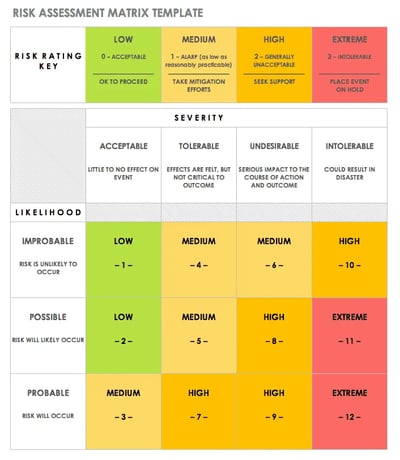
For each identified risk, determine its likelihood and potential impact. A simple high, medium, or low rating can work. This helps you prioritize which risks to address first. For example, a fire has a low likelihood but a high impact, so it requires a robust plan.
3. Develop control measures
Once risks are prioritized, create strategies to manage them. These controls can be preventative (e.g., daily playground safety checks), or responsive (e.g., an emergency evacuation plan).4. Document your plan
Write everything down in a clear, accessible document. Your risk management plan for daycare centers should be a living document that is easy for all staff to understand and use.
5. Review and update the plan
Risk management is an ongoing process. Schedule regular reviews of your plan—at least annually or after any significant incident. This ensures your plan remains relevant and effective.
A tool like brightwheel’s childcare management software can help streamline administrative tasks and easily scale your childcare program, allowing you to share documents—risk management plan, handbooks, and menus—with staff and families.
In addition, brightwheel is the most secure all-in-one childcare and preschool software with the highest financial data security and compliance levels for payments, offering two-factor authentication, data privacy with data encryption, and 24x7 fraud monitoring.
Risk management plan templates for childcare programs
To help you get started, look for templates designed specifically for childcare programs. These resources often provide a structured format to guide you through the planning process. A good template will include sections for risk identification, assessment, control measures, and review schedules. You can find free templates online or through childcare resource organizations.
Smartsheet risk management plan templates
Smartsheet offers an extensive collection of risk management plan templates. In addition to the risk assessment matrix template below, they offer:
-
Risk management plan template: Includes typical sections such as risk identification, analysis and monitoring, and roles and responsibilities
-
Risk register template: Includes a register to create a detailed log of who owns a risk, the level of impact and probabilities, planned actions, and response status
-
Risk management matrix: Includes a risk assessment matrix for getting an overview of risk ratings and a management matrix for identifying and assessing risks, describing mitigation strategies, and monitoring control efforts
Connecticut Department of Social Services
The risk management plan template from the Connecticut Department of Social Services is ideal for your childcare program if you’re new to creating a risk management plan. It not only provides instructions for the author of the plan, but it also provides the definition and purpose of risk management, along with additional tools and resources for developing a plan. This document will help you assign roles and responsibilities, outline procedures, and decide how to escalate high-exposure risks.
Risk management plan checklist for childcare programs
Use this quick checklist to ensure you've covered the essential components of your plan.
- Risk identification and assessment completed for all areas of operation.
- Control measures developed for all high-priority risks.
- Emergency procedures for fire, medical, and natural disasters are written and posted.
- Staff training on the risk management plan is documented.
- Insurance coverage has been reviewed to ensure it's adequate.
- A schedule for regular plan review has been established.
Implementing your risk management strategy
Creating the plan is only the first step. Successful implementation depends on communication and training.
- Staff training: Every staff member should be trained on the risk management plan and their specific responsibilities. Document this training and provide regular refreshers.
- Communication with families: Share relevant parts of your plan with families to build their confidence in your program. Make sure they know the procedures for emergencies.
- Practice and drills: Regularly practice emergency drills, such as fire or lockdown procedures, so that everyone knows what to do in a real event.
Frequently asked questions
How often should I review my risk management plan?
Review your plan at least once a year. It's also wise to review it after any major incident or change in your program, such as opening a new classroom or significant staff changes.
Who should be involved in creating the risk management plan?
Involve a team in the planning process. This can include program directors, administrators, and teachers. Getting input from a variety of roles will help you identify a wider range of risks.
Where should I keep the risk management plan?
Keep a digital copy saved securely and a physical copy in an accessible location at your facility. Ensure all key staff members know where to find it.
Secure your program’s future
A well-developed risk management plan for daycare centers is a fundamental tool for ensuring the safety of children and the long-term success of your program. By proactively identifying, assessing, and controlling risks, you create a secure and nurturing environment where children can thrive. This commitment to safety not only protects your business but also builds lasting trust with the families you serve.