.svg)
Starting a childcare program requires careful planning, and one of your most important decisions involves determining how much physical space you need. Daycare square footage requirements vary significantly based on state regulations, the number of children you plan to serve, and the age groups in your care.
Understanding these space requirements early helps you make informed decisions about location, budget, and licensing. Whether you're considering converting your home or leasing a commercial property, knowing the minimum square footage needed ensures you create a safe, compliant environment where children can thrive.
This article breaks down everything you need to know about daycare space requirements, from basic square footage calculations to optimizing your layout for maximum efficiency.
Daycare square footage requirements overview
Most states require between 35-50 square feet of indoor space per child, though this number can vary based on the child's age and your state's specific regulations. Infants typically need less space than toddlers, who require more room for active play and movement.
Here's what you should expect:
- Infants (0-12 months): 35-40 square feet per child
- Toddlers (1-2 years): 40-50 square feet per child
- Preschoolers (3-5 years): 35-50 square feet per child
These measurements represent usable floor space and don't include areas like bathrooms, kitchens, storage rooms, or hallways. You'll need additional square footage beyond these minimums to accommodate essential facilities and create comfortable learning environments.
For a small childcare program serving 20 children, you'd need approximately 800-1,000 square feet of dedicated childcare space, plus additional room for support areas.
Understanding state and local regulations
Every state has different daycare square footage requirements, and local municipalities may impose additional restrictions. These regulations exist to ensure child safety and maintain appropriate adult-to-child ratios in each space.
Some states specify different requirements based on:
- Program type: In-home family daycare vs. commercial childcare programs
- Age groups served: Mixed-age programs vs. single-age classrooms
- Capacity: Small programs vs. large facilities
- Building type: Residential vs. commercial properties
Before signing any lease or making property modifications, contact your state's childcare licensing agency. They'll provide specific square footage requirements for your location and program type. Many states also require pre-approval of your space before you can begin the licensing process.
Local zoning laws, fire codes, and building regulations may impose additional space requirements that exceed state minimums. Schedule meetings with local officials early in your planning process to avoid costly surprises later.
 I would say that if you are a new program that you should definitely jump on brightwheel and just experience it. It’s tools that help make your life easier as the owner and director. There’s no reason not to, with the cost and the effectiveness, it’s 100% a yes for me.” Crystal D., Owner & Director at Lil’ Ranch Hands Family Childcare Home in Minco, OK
As I build my new program, the billing features are a game changer. I can easily invoice parents, and everything is automatically tracked—especially helpful come tax season.” Emily K., Owner of Emily Finzen Childcare in Lake Benton, MN
Experience Curriculum allows you to lean into creativity while following the curriculum. It’s all right there, it’s all prepared for you, and then you can lean into it.” Leinani G., Owner of Creative Minds Learning Academy in Bothell, WA
Brightwheel helps us in every way possible. From their onboarding and support team to the features that keep us organized, on track with planning, and communicating smoothly as a team to parents and each other. I couldn't imagine a better management system for our program." Harida H., Administrator at Play Pals Daycare in Maumee, OH
Indoor space considerations
Creating functional indoor spaces requires more than meeting minimum square footage requirements. You need to design areas that support different activities throughout the day while maintaining proper supervision and safety standards.
Essential indoor areas
Your indoor space should accommodate these key areas:
Play areas: Large, open spaces where children can engage in active play, group activities, and free exploration. These areas need the most square footage and should be easily visible from multiple vantage points.
Quiet zones: Smaller spaces for reading, individual activities, and rest time. These areas don't require as much square footage but need proper sound control and comfortable furnishings.
Eating areas: Designated spaces for meals and snacks that meet health department requirements. Consider proximity to kitchen facilities and ease of cleaning when planning these areas.
Sleeping areas: For programs serving infants and toddlers, dedicated nap spaces with proper ventilation and lighting controls are essential.
Age-appropriate considerations
Different age groups have unique space needs that affect your overall square footage requirements:
Infant rooms need space for cribs, changing tables, feeding areas, and secure storage for supplies. While infants require less floor space per child, they need specialized equipment that takes up additional room.
Toddler areas require the most square footage per child because toddlers are highly mobile and need space for gross motor activities. Plan for child-sized furniture, safety gates, and easily cleanable surfaces.
Preschool spaces benefit from defined learning centers for art, science, dramatic play, and blocks. These areas can share space more efficiently than toddler rooms because preschoolers can follow more complex room rules.

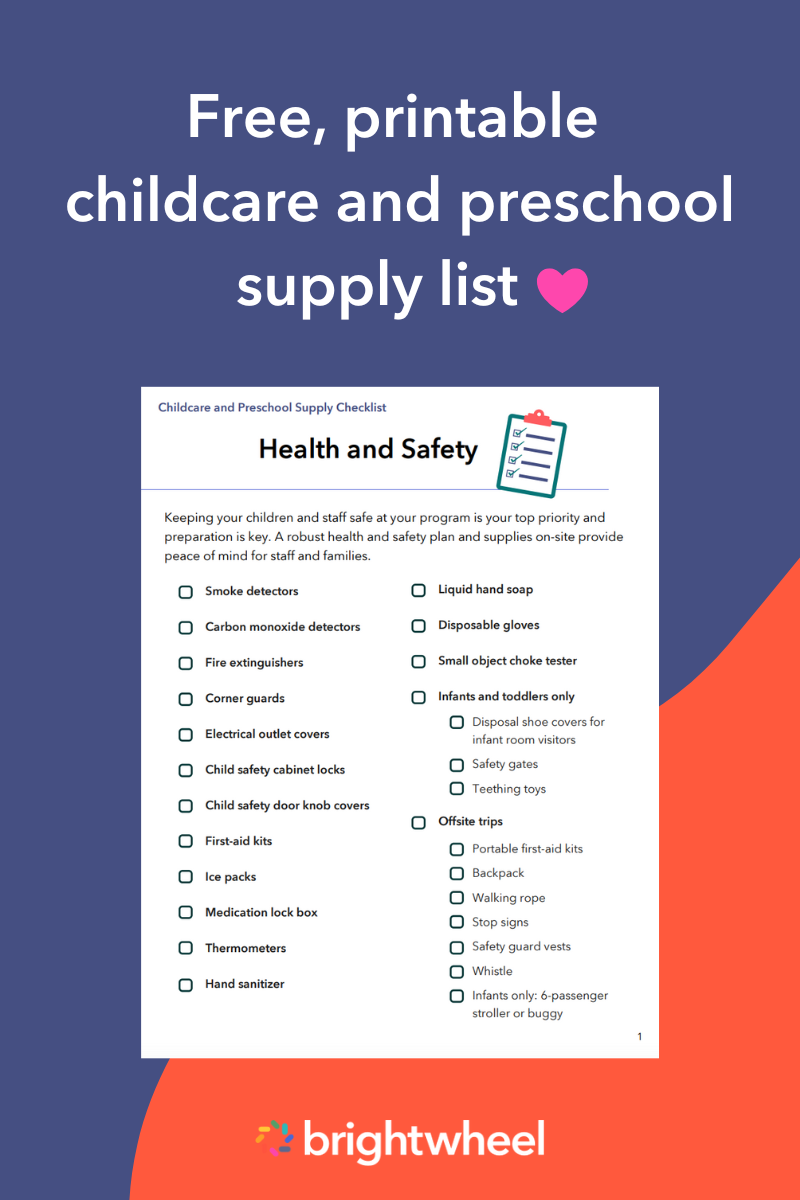
Preschool Classroom Safety Checklist
A free checklist to help you maintain a safe learning environment for the children, staff, and families at your childcare program.
Outdoor space is vital
Most states require outdoor play areas as part of your total space allocation. Typical requirements range from 75-100 square feet of outdoor space per child, though some states allow indoor gross motor areas as alternatives during inclement weather.
Outdoor areas must meet safety standards including:
- Secure fencing with appropriate height and gate mechanisms
- Age-appropriate playground equipment meeting current safety standards
- Proper surfacing under climbing structures and swings
- Shade structures for sun protection
- Separate areas for different age groups if serving mixed ages
If outdoor space isn't available at your chosen location, some states permit indoor gross motor rooms that provide equivalent square footage and activity opportunities. These indoor alternatives must meet the same per-child space requirements as outdoor areas.
Shared outdoor spaces
Some childcare programs operate in buildings with shared outdoor areas or public playgrounds nearby. Check with your licensing agency about using these spaces to meet outdoor requirements. You may need written agreements with property owners and additional insurance coverage.
Other space considerations
Beyond basic childcare areas, you'll need additional square footage for operational needs that support your program's daily functions.
Support areas
Administrative space: Office areas for record keeping, family meetings, and staff planning don't count toward child space requirements but are essential for smooth operations.
Storage areas: Adequate storage for supplies, seasonal items, and emergency equipment prevents clutter in childcare areas and maintains safety standards.
Staff areas: Break rooms or designated staff spaces support employee satisfaction and provide areas for confidential conversations or planning time.
Kitchen facilities: Whether you prepare meals on-site or simply serve snacks, kitchen areas must meet health department requirements and provide adequate space for food storage and preparation.
Bathroom facilities: Well-maintained, age-appropriate bathroom facilities are essential in childcare settings. Stock bathroom areas with necessary hygiene supplies and include features like step stools or handrails for accessibility. Regular cleaning schedules and proper ventilation are crucial for maintaining sanitation and a healthy environment.
Accessibility requirements
All childcare facilities must comply with Americans with Disabilities Act (ADA) requirements, which can affect your total square footage needs:
- Wider doorways and hallways for wheelchair accessibility
- Accessible bathrooms with appropriate fixtures and space for assistance
- Ramps or elevators if your facility has multiple levels
- Accessible parking spaces and pathways to entrances
These accessibility features ensure all families can use your services and may require additional space beyond basic square footage calculations.
Optimize your space with brightwheel
Once you've determined your space requirements and established your childcare program, managing daily operations efficiently becomes your next priority. Brightwheel's comprehensive childcare management platform helps you maximize your space's potential by streamlining administrative tasks and improving communication with families.
With automated billing, real-time parent updates, and staff management tools, brightwheel saves childcare providers an average of 20 hours monthly on administrative work. This efficiency means you can focus more time on creating engaging environments and less time on paperwork.
The platform's attendance tracking feature help you maintain proper adult-to-child ratios in each space, ensuring compliance with state regulations while optimizing your facility's capacity.
Planning your space for success
Determining the right amount of space for your daycare requires balancing state regulations, operational needs, and budget constraints. Start with your state's minimum daycare square footage requirements, then add space for essential support areas and accessibility features.
Remember that more space isn't always better—oversized facilities can strain your budget and make supervision more challenging. Focus on creating functional, well-designed areas that meet children's developmental needs while supporting efficient daily operations.