.svg)
Preschool classroom management is essential for creating a safe, structured, and engaging learning environment for young children.
In this article, we share actionable preschool classroom management strategies—from organizing your physical space to implementing routines—that help both educators and students thrive.
What is preschool classroom management?
Preschool classroom management refers to the systems, strategies, and routines teachers use to create a safe, structured, and engaging learning environment for young children. At its core, classroom management is about more than keeping order—it’s about building a positive space where children can explore, learn, and thrive.
In a preschool setting, classroom management often includes:
-
Establishing clear expectations so children know what behaviors are encouraged.
-
Creating predictable routines that help young learners feel secure and confident.
-
Designing the physical environment in ways that minimize distractions and promote independence.
-
Fostering positive relationships between teachers and children to encourage cooperation and respect.
When done well, preschool classroom management supports both academic and social-emotional development. Children benefit from consistency, while teachers experience smoother transitions, fewer disruptions, and more time to focus on meaningful instruction.
Benefits of preschool classroom management
A classroom of young children needs effective management tools. Without them, your classroom has the potential to be chaotic, unsafe, distracting, and disorganized.
Creates a safe and structured environment
Preschool classroom management allows you to create a safe space that facilitates learning, growth, and the development of essential social-emotional, cognitive, communication, and physical skills.
Strong management strategies keep classrooms organized and children safe. For example, designing a classroom layout with designated storage areas for supplies, toys, and activities ensures items aren’t misplaced or left out where they could become tripping hazards. An orderly environment allows teachers to focus more on teaching and less on disruptions.
Sets clear expectations to support positive behavior
Preschoolers thrive when they understand what’s expected of them. Setting simple classroom rules—such as sharing supplies, using kind words, and putting toys away after playtime—teaches children to be respectful and responsible. These expectations not only reduce conflicts but also help children build social and emotional skills they’ll carry beyond the classroom.
Keep your classroom organized with brightwheel. This software gives you all the tools to maximize your classroom time and eliminate manual processes. Assign students and staff to specific rooms, set capacity limits and ratios, and track attendance and progress with ease.
Reduces stress for teachers and children
When a classroom runs smoothly, both teachers and preschoolers experience less stress. Clear routines, organized spaces, and consistent expectations reduce uncertainty and prevent daily chaos. For children, this means feeling secure and confident in their environment. For teachers, it allows more time to focus on meaningful instruction instead of constant behavior management. The result is a calmer, happier classroom where everyone can thrive.
How to manage your preschool classroom
Use these preschool classroom management strategies to help your classroom run smoothly and give your preschoolers a safe, nurturing learning environment.
1. Choose the optimal classroom layout
The way you use physical space in your preschool classroom is important. Ultimately, you want your room optimized for appropriate behavior and maximum engagement time in preschool learning activities.
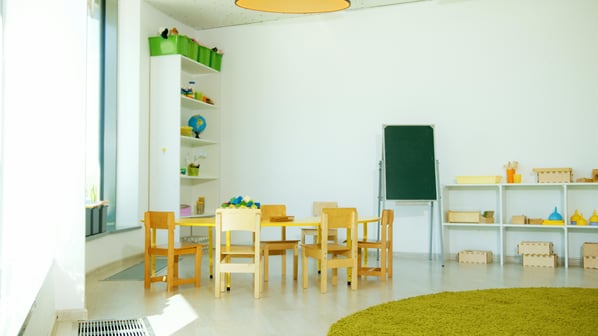
Your floor plan will not only influence your teaching style but can even help with discipline and managing children’s behavior. Make sure there is a good flow throughout your classroom, and think carefully about the space those little bodies need for transitions.
Consider things like: Where will children line up? Will they work in small groups or is your program largely play-based? Is there room in the cubby area to put jackets? Can they wait in line to wash their hands before snack without disrupting children in the reading nook? These questions will help you identify which areas you’ll need within your classroom space.
To start, section off areas for learning, meals, play, and quiet time. By separating these activities into different parts of the classroom, you allow the children to adjust their expectations and behavior according to the function of each area.
2. Manage your classroom supplies and materials
A big part of a preschooler’s day is managing access to the equipment they need. Can they easily slide out the dramatic play bin? Can they just as easily put it back when they are done with it?
You want to help build autonomy in children so they can feel pride in accomplishing activities on their own, and so you won’t have to clean up after them! Additionally, empowering your children to put away their supplies and materials teaches them responsibility.
Here are a few tips to manage your classroom supplies:
- Use clear storage containers or bins so children can see what’s inside
- Use a labeling system your children can understand such as picture labels or color coding
- Place items on low shelves to promote easy access
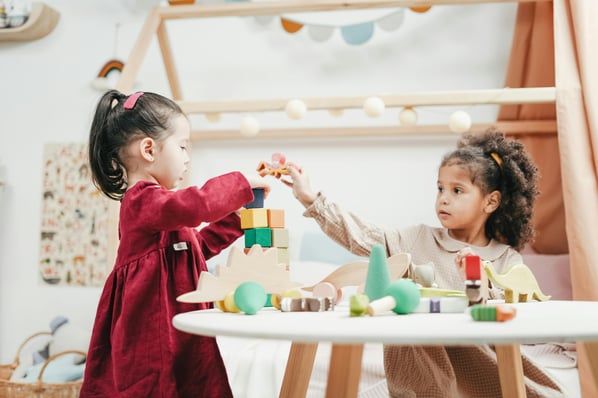
You can also use teaching materials and classroom routines to promote diversity, equity, and inclusion in your preschool classroom. For example, you can teach your preschoolers about cultural holidays from around the world and stock your classroom library with picture books that feature diverse characters so every child in your classroom feels seen and valued. You can also provide art supplies such as crayons and colored pencils in various skin tones, to allow children to accurately represent themselves, their peers, and their families in their art.
3. Set clear behavior expectations
The secret to your superhero strength is setting clear behavior expectations with your class while enforcing them in a kind, consistent manner. Have behavior management guidelines in place for your preschool classroom and make sure they are clearly communicated to your children and families at your center. These will help set the foundation for social-emotional learning, promote positive behavior, and reduce challenging behavior in the classroom.

Classroom Job Chart for Preschools
Use this free template to enhance classroom engagement and skill development.
Always remember that any challenging behavior you witness, especially in such young children, is the child attempting to communicate something. It is part of your job to uncover and address the root cause of a child’s actions and address them in an encouraging, positive way.
4. Use routines
As an adult, you might have a morning or even daily routine you stick to. It might include waking up at a certain time, having breakfast, brushing your teeth, and going to work.
Establishing a routine in your class is just as important as the one you set for yourself. Routines are an important tool for managing children’s behavior and expectations throughout the day.
From day one, begin establishing a routine for your children. To help implement it, use visual cues or verbal reminders around the classroom to guide them throughout the day. Your daily schedule might include morning circle time, napping or quiet time after lunch, and cleaning up the classroom at the end of the day.
One part of your daily routine might include health checks for children and staff. With brightwheel's daily health check feature, you can replace paper forms and streamline your daily health checks. This daily practice promotes a culture of wellness at your program and maintains a healthy learning environment.
In addition to managing expectations and behavior, routines and structure allow children to feel safe and secure in the classroom because they know what to expect.
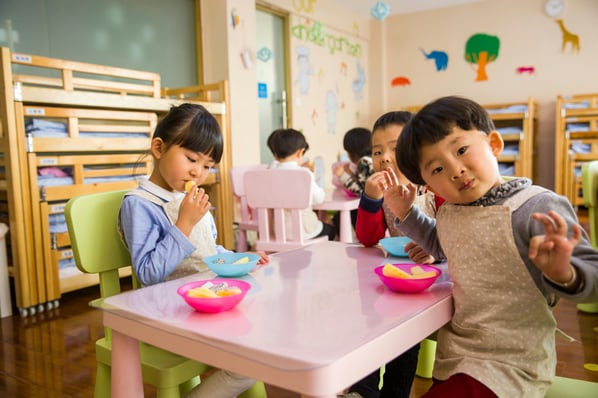
5. Plan for transitions
It can be difficult for young children to transition from one activity to another. Using fun transition activities in your classroom helps children move smoothly from one activity to the next without the stress of abrupt changes. You can make transitions easier for your preschoolers by using consistent cues, such as a sound or sign, to let them know it’s almost time to wrap up what they’re doing and move on to the next activity.
6. Ask and implement children’s feedback
Children are opinionated. While they might be small, their minds are growing rapidly, and they’ll have many opinions about the classroom. Ask for them. Listen to them. Implement them. Learning the likes and dislikes of your class can help boost engagement during lessons and activities.
For example, you might consider implementing an emergent curriculum approach at your center which is a child-centered method that differs from the traditional or teacher-centered curriculum. Learning activities are typically based on children’s interests, needs, and strengths, and as a result, lessons are often meaningful and engaging.
7. Use technology to streamline your day
Your little community of learners is accomplishing amazing stuff every day. Watching your children grow and gain new skills is one of the greatest joys of your job, but it’s not always a simple task to capture all of those tiny, important moments and complete your daily reporting. Using a childcare management software can help you easily record activities and share real-time updates, saving you and your staff valuable time.
A tool such as brightwheel’s record keeping feature streamlines your center’s record keeping and reporting. Your teachers have an easy tool to document daily activities and milestones for each child, allowing them to spend more time with the children in the classroom. This communication feature also enables you to build quality connections with families as they receive daily updates on their child’s progress.
Frequently asked questions about preschool classroom management
What is preschool classroom management?
Preschool classroom management is the set of strategies teachers use to create a safe, structured, and engaging learning environment. It includes organizing the physical space, setting clear expectations, and building routines that help children thrive both academically and socially.
Why is preschool classroom management important?
Effective classroom management reduces chaos, minimizes conflicts, and ensures children feel secure. It also allows teachers to spend more time teaching and less time handling disruptions, creating a positive experience for both children and educators.
What are some examples of preschool classroom management strategies?
Common strategies include:
-
Designing the classroom layout for easy movement and safety
-
Creating predictable routines for daily activities
-
Setting simple, consistent rules children can follow
-
Using positive reinforcement to encourage good behavior
-
Incorporating childcare software like brightwheel to stay organized and save time
How does classroom management support child development?
Good classroom management promotes social-emotional growth, communication skills, independence, and responsibility. By reducing distractions and stress, it helps children focus on learning and building positive relationships.
Preschool classroom management made easier
Implementing preschool classroom management strategies can help you create a valuable learning environment for your children. With thoughtful planning of the physical space, establishing clear behavior guidelines, and implementing a streamlined system for administrative tasks, children can develop key skills and focus on learning.