.svg)
Plant activities for preschool are a fantastic way to introduce young children to the natural world while fostering an appreciation for nature. Through simple, hands-on planting activities, preschoolers not only learn about plants and the environment but also develop important fine motor, cognitive, and social-emotional skills.
These activities encourage curiosity and outdoor exploration, making learning both fun and engaging. In this article, we’ll explore a variety of educational plant activities for preschool that will inspire your class to connect with nature while building essential skills.
-jpg8011.jpg)
Benefits of plant activities for preschool development
Garden and plant activities can teach your preschoolers important concepts about the natural world around them and help them develop key skills. Below we dive into some of the key benefits:
Enhances cognitive and fine motor development
The process of planting, watering, and harvesting helps to nurture and develop coordination and strength in children’s hands and fingers. Children learn about textures, shapes, and sizes by touching and exploring plants. This tactile experience helps to develop their motor skills.
The act of planting also has cognitive benefits. It helps them to develop problem-solving and planning skills as they consider the best way to care for our plants.
-10ddf.png)
Promotes social-emotional development
When children engage in activities like planting seeds, caring for a plant, and observing the plant grow, they learn important skills like cooperation, empathy, and responsibility. As a classroom works together to plant and care for a garden, children learn to communicate and work together collaboratively. These social-emotional skills are important for children to learn in order to be successful in school.
Introduces children to the world of science
Plants are a great way to introduce children to the world of science. You can talk about the life cycle of plants, what plants need to grow, and how plants help us in our everyday lives. Engaging in these activities with children helps them develop a love for learning and discovery.
Encourages a healthy lifestyle
Gardening and planting activities give teachers the chance to teach children about the importance of nutrition and eating a variety of fruits and vegetables. They can teach children where food comes from, how to grow their own food, and the importance of eating a balanced diet. As a result, they develop a greater appreciation for healthy foods.
Enhances children’s creativity
When it comes to creativity, plants are a great starting point because they have so much variety. You can use various plants to deepen children’s observations by discussing the textures, shapes, and colors of plants in ways that go beyond "this is green'' or "this is blue." You can talk about whether the texture of a leaf is smooth or bumpy, for example.
In addition, children could create collages, pattern designs, or pictures using leaves and flowers, which encourages them to experiment and think outside the box. All these skills help foster a creative approach to problem-solving and thinking, which can benefit all areas of their development.
May reduce stress
Studies have found that activities involving plants help to reduce children's stress levels. Children who participated in activities like planting and caring for plants showed lower stress levels than they did before participating in any planting activity.
Moreover, gardening is therapeutic and provides an opportunity to get outside in the fresh air, further reducing stress levels. Plant activities often also involve physical skills such as digging or shoveling soil, exposing children to the mental health benefits of physical activity.
Teaches responsibility, hard work, and patience
By taking care of a garden, children learn the importance of responsibility and hard work by seeing how their efforts result in healthy plants. They also learn to be patient while waiting for their plants to grow.
Fosters a love for nature
When children learn about planting and gardening, they develop a relationship with nature. This ultimately helps them appreciate the natural world and all the creatures and plants that live in it. This appreciation can extend beyond the classroom and into their everyday lives. As they grow older, they may start to garden or take up other hobbies that involve nature.

A Guide to Studying the Natural World with Young Children - Fall Edition
A free guide to enhancing outdoor learning and exploration of the natural world at your program.
9 easy plant activities for preschool classrooms
Here are nine simple and engaging plant activities you can implement in your preschool classroom. Each activity includes a list of materials needed to make preparation easier.
Indoor plant activities for preschool
Even without an outdoor space, you can bring nature inside with these creative indoor projects.
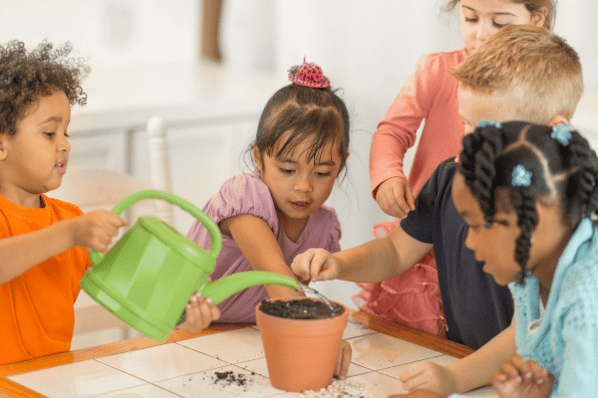
1. Simple seed planting in containers
This classic activity is perfect for teaching the basics of the plant life cycle and promote children's sensory development.
- Materials: Small pots or cups, potting soil, seeds (beans or sunflowers are great), water, a sunny window.
- Instructions: Help each child fill their container with soil, plant a few seeds, and water them. Place the pots in a sunny spot and watch them grow over the next few weeks.
2. Leaf rubbings
Explore the unique textures and shapes of different leaves with this simple art project.
- Materials: Various leaves, thin paper, crayons with the paper peeled off.
-
Instructions: Place a leaf under a piece of paper. Have the children rub the side of a crayon over the paper to reveal the leaf's texture and shape.
3. Play dough flower gardens
Let children create their own imaginative gardens with colorful play dough.
- Materials: Various colors of play dough, craft sticks, and small flower-shaped cookie cutters.
- Instructions: Encourage children to roll, flatten, and shape the play dough to create flowers, stems, and leaves. They can assemble their creations into a mini garden.
4. Seed art projects
This activity combines art with fine motor skill practice.- Materials: Different types of dried seeds (lentils, beans, corn kernels), glue, and cardstock.
- Instructions: Have children draw a simple shape or picture on the cardstock. They can then apply glue and arrange the seeds to create a colorful mosaic.
Outdoor plant activities for preschool
Take learning outside to connect children directly with nature.
5. Nature walks
A simple walk can turn into a big adventure when you focus on the plants around you.- Materials: Small bags or baskets for collecting items.
- Instructions: Take the children on a walk around the school playground or a nearby park. Encourage them to collect interesting leaves, flowers, and seeds. Discuss what they find.
6. Garden exploration
If you have a garden, let children explore it with their senses.- Materials: Magnifying glasses.
- Instructions: Guide the children through the garden, encouraging them to look closely at the plants with magnifying glasses. Ask them to describe what they see, smell, and feel.
7. Plant observation activities
Help children track a plant’s growth over time.- Materials: A designated plant in the garden, journals or paper, and crayons.
- Instructions: Choose one plant for the class to "adopt." Visit it regularly and have the children draw what they see in their journals, noting any changes.
Creative plant-based learning
Combine plant science for young children with art and literacy.
8. Nature collages
Use collected natural materials to create beautiful works of art.- Materials: Items from your nature walk (leaves, twigs, petals), cardstock, and glue.
- Instructions: Let children arrange and glue their found treasures onto a piece of cardstock to create a unique nature collage.
9. Plant-themed songs and stories
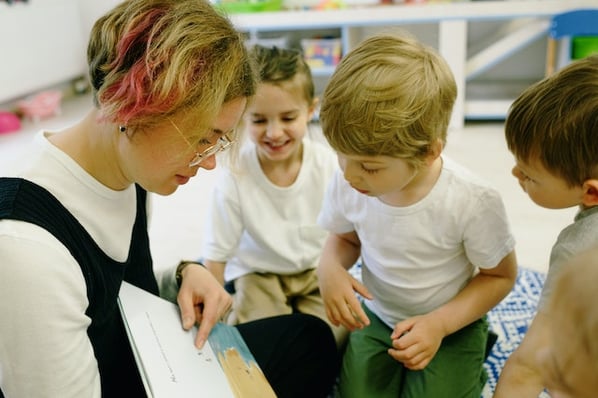
Incorporate songs and stories to reinforce learning in a fun way. These colorful picture books are perfect for teaching children about different types of plants and how they grow:
- The Ugly Vegetables by Grace Lin
- Lola Plants a Garden by Anna McQuinn
- Planting a Rainbow by Lois Ehlert
- A Seed Grows by Antionette Portis
- A Seed is Sleepy by Dianna Hutts Aston
This song can bring plant concepts to life.
Plant safety for preschoolers
Safety is the top priority when introducing plant activities for preschool. Create a safe environment by following these guidelines:
- Choose non-toxic plants: Ensure all plants used in the classroom are non-toxic. Safe options include sunflowers, marigolds, snapdragons, and most common herbs like mint and basil. Avoid plants like lilies, oleander, and philodendrons.
- Supervise closely: Always supervise children during plant activities, especially when using small items like seeds or tools like small shovels.
- Establish clear rules: Teach children rules for interacting with plants, such as not eating any part of a plant without permission and washing their hands after gardening.
- Handle tools safely: Use only child-safe, age-appropriate gardening tools. Demonstrate how to use them correctly and store them safely when not in use.
FAQs about preschool plant activities
Here are the answers to some common questions about plant activities for preschool:
When is the best time of year to start plant activities?
Spring is a popular time for planting as many seeds sprout quickly, but you can do plant activities year-round. Indoor activities like seed art or growing herbs on a windowsill are perfect for winter months, while fall is great for collecting colorful leaves.
How can I adapt these activities for different learning styles?
For kinesthetic learners, focus on hands-on activities like digging and planting. Visual learners will enjoy drawing plants and creating collages. Auditory learners can benefit from plant-themed songs and stories.
Why is it important for preschoolers to learn about plants?
Learning about plants helps preschoolers develop a connection to nature and an appreciation for the environment. It supports their understanding of growth, life cycles, and the importance of caring for living things.
Engaging with plants can also enhance sensory exploration, expand vocabulary, and foster curiosity about the world around them. Plus, hands-on activities with plants encourage critical thinking and problem-solving skills, which are vital for early development.
Are there easy plant activities for 3-5 year olds that require minimal supplies?
Yes! A nature walk requires only a bag for collecting treasures. Leaf rubbings just need paper and crayons. You can also sprout beans in a clear jar with a damp paper towel to observe germination without soil.
How can I engage families with a plant preschool theme?
There are plenty of opportunities to engage families with what children are learning in the classroom about plants. Families can help their child collect leaves or flowers to use in class activities or they can help their child water and care for a seed they planted in class and watch it grow together. In addition, you can invite families to participate in a scavenger hunt or nature walk with the class.
Final thoughts
Plant activities provide a wonderful opportunity to foster a lifelong appreciation for the natural world in young children. By engaging their senses and curiosity, you can create memorable learning experiences that support their overall development. Start with a few simple projects and watch your little gardeners grow.